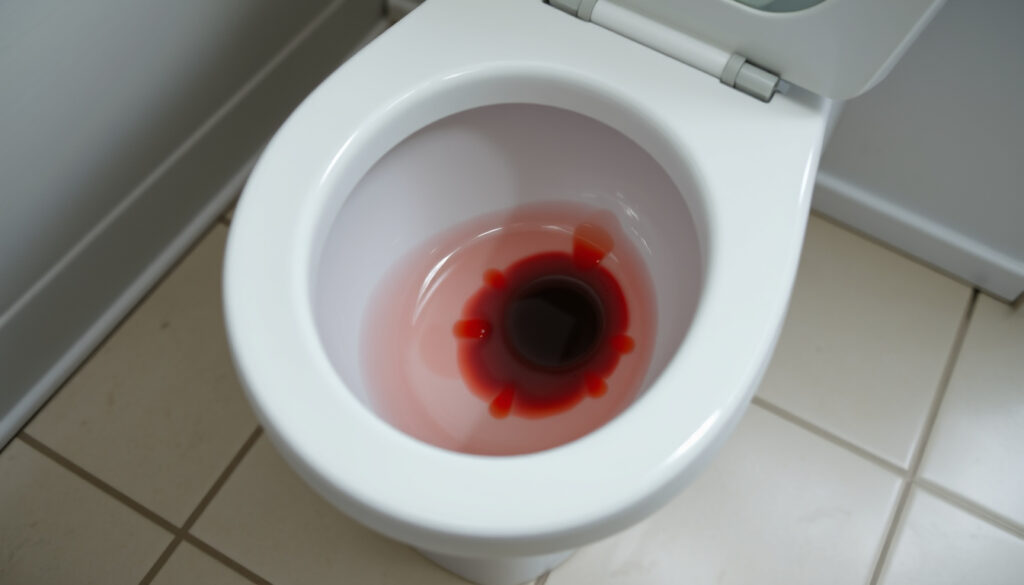
When to Worry About Blood in Stool – Key Signs and When to Act
Discovering blood in stool can be alarming, yet the significance varies widely. While some instances stem from minor conditions like hemorrhoids, others may indicate more serious underlying health issues. Understanding the warning signs, recognizing color variations, and knowing when to seek medical attention can make a critical difference in outcomes.
Blood in stool represents one of the most common reasons adults seek gastroenterological care. The appearance, amount, and accompanying symptoms all provide valuable clues about potential causes and the urgency of evaluation needed. Prompt assessment remains essential, particularly for persistent bleeding or certain risk groups.
When Should You See a Doctor for Blood in Stool?
Medical guidance consistently emphasizes that any visible blood in stool warrants professional evaluation, regardless of perceived severity. Self-diagnosis carries significant risks, as underlying conditions can range from benign to life-threatening. According to the Mayo Clinic, patients should contact their healthcare provider even for minor bleeding that appears only once.
- Approximately 90% of rectal bleeding cases stem from benign conditions such as hemorrhoids or anal fissures
- Even small amounts of blood recurring over weeks should trigger a medical appointment
- Adults over age 50 face elevated risk for colorectal pathology and merit earlier evaluation
- Bowel cancer remains treatable when detected early, making bleeding assessment crucial
- Blood appearing without pain does not exclude serious conditions including malignancy
- Describing exact appearance, timing, and associated symptoms aids accurate diagnosis
- Prior diagnoses of hemorrhoids do not preclude new, more serious conditions developing
| Symptom Feature | Potential Meaning | Recommended Action |
|---|---|---|
| Bright red blood on surface | Likely lower GI source, often hemorrhoids or fissures | Schedule routine appointment if minor and single occurrence |
| Dark or tarry stool | Upper GI bleeding, possibly ulcers or gastritis | Seek evaluation within 24-48 hours |
| Large blood volume | Significant bleeding requiring urgent assessment | Visit emergency department or urgent care immediately |
| Abdominal pain with bleeding | Inflammatory or structural pathology | Contact healthcare provider same day |
| Bleeding without pain | Internal hemorrhoids, early cancer, or other conditions | Schedule appointment; do not assume benign cause |
Family history of colorectal cancer or inflammatory bowel disease substantially increases risk profiles. Patients with such backgrounds should discuss earlier or more frequent screening protocols with their physicians, regardless of current symptoms.
What Does the Color of Blood in Stool Mean?
Blood appearance provides essential diagnostic information because digestion transforms blood as it travels through the gastrointestinal tract. The color observed largely correlates with the bleeding source location, helping healthcare providers narrow potential causes during initial assessment.
Bright Red Blood (Hematochezia)
Vibrant red blood typically originates from the lower digestive tract, including the rectum, anus, or lower colon. This fresh blood appears on stool surfaces, toilet paper, or in toilet water without mixing thoroughly with fecal matter. According to HealthPartners, this presentation most commonly associates with hemorrhoids, anal fissures, or rectal irritation from straining.
Dark Red or Maroon Blood
Deeper coloration suggests bleeding higher in the colon or potentially the small intestine. The blood darkens during transit as digestive enzymes begin breaking it down. Summit Health notes this pattern may indicate diverticulosis, inflammatory bowel disease, or precancerous polyps requiring investigation.
Black, Tarry Stools (Melena)
Black stools with a sticky, tar-like consistency indicate blood that has undergone extensive digestion, typically originating from the esophagus, stomach, or upper small intestine. This pattern commonly results from peptic ulcers, gastritis, or medication effects such as NSAIDs or blood thinners. The MD Anderson Cancer Center reports that such bleeding requires prompt medical evaluation due to potentially significant blood loss.
Medical professionals caution that color alone cannot definitively determine bleeding source. Rapid, substantial upper GI hemorrhaging can present as bright red blood rather than black stools. Additionally, certain foods including beets, tomatoes, and food colorings may mimic bloody appearance. Laboratory testing remains essential for confirmation.
Common Causes of Blood in Stool
Understanding the range of potential causes helps contextualize the urgency of evaluation. While some triggers relate directly to digestive tract pathology, others involve systemic conditions or medication effects that require different management approaches.
Benign Conditions
Hemorrhoids represent the most frequently cited cause of visible blood in stool, affecting an estimated 75% of adults over age 45 to some degree. These swollen blood vessels in the lower rectum or anus typically produce bright red blood during bowel movements, often appearing on toilet paper after wiping. The National Institute of Diabetes and Digestive and Kidney Diseases provides detailed information about hemorrhoids including risk factors and management strategies.
Anal fissures—small tears in the anal lining—cause similar bleeding patterns but typically accompany noticeable discomfort or pain during defecation. Both conditions often respond to conservative management including dietary fiber supplementation, increased hydration, and topical treatments.
Other Identifiable Causes
Diverticulosis, characterized by small pouches protruding through the colon wall, frequently causes painless bleeding that may be substantial when it occurs. Inflammatory bowel disease including Crohn’s disease and ulcerative colitis produces bleeding alongside diarrhea, cramping, and systemic symptoms. Chronic diarrhea from any cause can irritate the rectal lining sufficiently to trigger bleeding.
Peptic ulcers, typically resulting from Helicobacter pylori infection or prolonged NSAID use, cause upper GI bleeding that manifests as dark, tarry stools rather than bright red blood. Certain medications including warfarin, aspirin, and other blood thinners increase bleeding risk throughout the digestive tract.
Maintaining a brief symptom diary recording blood color, approximate amount, associated symptoms, timing, and dietary factors can significantly assist healthcare providers in determining appropriate diagnostic pathways and prioritizing test urgency.
When Is Blood in Stool a Sign of Something Serious?
Certain presentations demand heightened concern and more immediate action. Healthcare providers specifically advise urgent evaluation when blood volume is substantial, bleeding persists beyond brief episodes, or concerning symptoms accompany the finding.
Emergency Warning Signs
Significant blood loss manifests through additional symptoms beyond stool changes. According to Curasia Health, emergency care becomes necessary when patients experience dizziness, fainting, rapid heartbeat, shortness of breath, confusion, or pale, clammy skin alongside visible bleeding. These signs may indicate hemorrhagic shock developing from substantial blood loss.
Large blood clots, toilet water turning red throughout flushing, or stool consisting primarily of blood signal active significant bleeding requiring immediate intervention. Severe abdominal pain or cramping accompanying bleeding also warrants emergency department evaluation.
Cancer Considerations
Colorectal cancer remains a primary concern when evaluating bloody stools, particularly in older adults or those with family history of the disease. The American Cancer Society notes that rectal bleeding represents one of the most common initial symptoms of colon cancer, yet patients should understand that cancer can produce any blood color and may occur entirely without pain.
Polyps—precancerous growths—may bleed intermittently before progressing to malignancy, making bleeding evaluation important even when occurring only once. Early detection through colonoscopy allows removal before cancer development, fundamentally changing prognosis.
Risk Stratification by Age and History
Adults over age 50 face substantially elevated colorectal cancer risk, prompting general screening recommendations beginning at this age regardless of symptoms. Cleveland Clinic advises that even small amounts of blood merit evaluation in this population, as benign and serious causes cannot be reliably distinguished without examination.
Patients with personal history of polyps, inflammatory bowel disease, or family history of colorectal cancer warrant earlier and more frequent screening protocols established through discussion with their healthcare providers. For more information, click Dolor al costat dret.
What to Expect During Medical Evaluation
Understanding the diagnostic process can reduce anxiety while highlighting the importance of seeking care. Healthcare providers employ several tools to determine bleeding cause and severity, each offering different information about gastrointestinal health.
- Initial consultation involves detailed symptom history including color, amount, frequency, associated symptoms, dietary factors, medications, and family history
- Physical examination typically includes visual inspection of the perianal area and potentially digital rectal examination
- Stool testing may confirm blood presence and evaluate for infection or inflammation markers
- Blood work assesses hemoglobin levels, anemia indicators, and organ function
- Endoscopic procedures such as colonoscopy allow direct visualization of the entire colon to identify bleeding sources, polyps, or tumors
- Imaging studies including CT angiography may localize significant active bleeding for targeted treatment
Colonoscopy requires bowel preparation to clear the colon for optimal visualization. Healthcare providers supply specific instructions, generally involving clear liquid diets and laxative regimens the day before the procedure. Discussing preparation details and addressing concerns beforehand improves experience and outcomes.
What We Know—and What Remains Uncertain
Medical understanding of gastrointestinal bleeding continues evolving, with certain aspects well-established while others require individualized assessment.
| Established Information | Information That Remains Unclear |
|---|---|
| Blood color correlates with GI location of bleeding in most cases | Whether minor single-episode bleeding requires colonoscopy in young patients without risk factors |
| Hemorrhoids cause the majority of benign rectal bleeding | Optimal timing intervals for surveillance colonoscopy after bleeding episodes |
| Colonoscopy represents the diagnostic gold standard for lower GI bleeding | Whether all visible polyps require removal during initial colonoscopy or can be monitored |
| Cancer detection significantly improves with early screening intervention | Specific molecular markers predicting which polyps will progress to cancer |
| Visible blood always warrants professional evaluation regardless of amount | Role of artificial intelligence in improving endoscopic polyp detection rates |
Understanding the Broader Context
Blood in stool reflects a symptom spanning multiple medical specialties including gastroenterology, oncology, and primary care. The condition affects adults across all age groups, though prevalence patterns and causative factors shift substantially between populations.
Public health data indicates that colorectal cancer incidence has shifted toward younger age groups in recent decades, prompting reconsideration of screening initiation ages. Socioeconomic factors influence both access to screening services and incidence of advanced disease at diagnosis, highlighting the importance of awareness across diverse communities.
Dietary and lifestyle factors contribute to hemorrhoid development and overall gastrointestinal health. Low-fiber diets, prolonged sitting, and straining during defecation increase hemorrhoid risk, while high-fiber diets promoting regular, soft bowel movements reduce pressure on rectal vessels.
Medical Perspectives on Bloody Stool Evaluation
Healthcare organizations universally emphasize that visible blood in stool requires professional assessment, though approaches to evaluation may vary based on individual patient factors.
“Rectal bleeding should never be ignored. Even if you’ve experienced similar symptoms before, new or changing bleeding patterns deserve evaluation to rule out serious conditions.”
— Mayo Clinic guidance on rectal bleeding
“The symptom of blood in the stool should prompt people to see their doctor, who can help determine whether a colonoscopic evaluation is needed.”
— Cleveland Clinic gastrointestinal specialists
Key Takeaways
Blood in stool requires medical attention regardless of perceived severity or assumed cause. Bright red blood typically indicates lower GI sources like hemorrhoids, while dark or black stools suggest upper GI bleeding requiring prompt evaluation. Significant bleeding presenting with symptoms of shock, severe pain, or large blood volumes warrants emergency care.
Persistent or recurrent bleeding, blood accompanying changes in bowel habits, and any bleeding in adults over age 50 merit scheduling medical appointments for comprehensive evaluation. Early detection of colorectal cancer and other serious conditions fundamentally improves outcomes through more treatable-stage diagnosis.
Frequently Asked Questions
Can blood in stool appear without any other symptoms?
Yes. Internal hemorrhoids and early colorectal cancer frequently cause visible bleeding without accompanying pain, fatigue, or other manifestations. This is precisely why healthcare providers emphasize evaluation regardless of associated symptoms.
What causes rectal bleeding in adults besides hemorrhoids?
Additional causes include anal fissures, diverticulosis, inflammatory bowel disease, polyps, colorectal cancer, peptic ulcers, and proctitis. Medication effects, infections, and vascular abnormalities also contribute to bleeding in certain cases.
How much blood in stool is considered serious?
Any visible blood warrants evaluation. Large volumes—enough to turn toilet water red or produce blood clots—suggest significant bleeding requiring emergency care. Smaller amounts, even if appearing only once, still merit scheduling medical appointments for assessment.
Does bright red blood always mean hemorrhoids?
No. While hemorrhoids represent the most common cause of bright red bleeding, other conditions including anal fissures, colorectal cancer, and inflammatory bowel disease can produce similar appearances. Differential diagnosis requires clinical examination and potentially endoscopic evaluation.
Should I go to the ER for blood in stool?
Emergency care is warranted when bleeding is heavy or accompanied by signs of shock, severe abdominal pain, dizziness, rapid heartbeat, or breathing difficulty. For lighter bleeding without these symptoms, scheduling an urgent appointment with your primary care provider is appropriate.
What does black tarry stool indicate?
Black, sticky stools (melena) typically indicate upper GI bleeding from the esophagus, stomach, or duodenum. Causes include peptic ulcers, gastritis, esophageal varices, and certain medications. This finding requires prompt medical evaluation within 24 hours.
Can diet cause stool to appear bloody?
Certain foods can mimic bloody appearance. Beets, tomatoes, and foods containing red food coloring may make stool appear red. Iron supplements and certain medications containing bismuth can blacken stools, potentially confusing interpretation.
Is blood in stool after wiping always serious?
Blood appearing only on toilet paper after wiping often indicates hemorrhoids or anal fissures—benign conditions—but still merits medical evaluation to confirm the cause and rule out other possibilities. Recurrence or persistent patterns particularly warrant professional assessment.
More related posts
 Galaxy S21 Plus to Buy in 2026: Price, Support & Problems
 Colombia National Football Team Standings – CONMEBOL 2026 Qualifiers Table
 Lars and the Real Girl: Mental Disorder & Movie Analysis
 Funny Pumpkin Carving Ideas: Hilarious Halloween Designs
 Ford Engine Block Heater Recall Canada – Affected Models, Risks & Free Fixes
 Mon Dossier Chasse et Pêche: Quebec Permits Guide
 Blue Jays vs Rockies – Series Preview, Pitchers, Predictions
 Why Are Flags at Half Mast Today – Status Across Canada