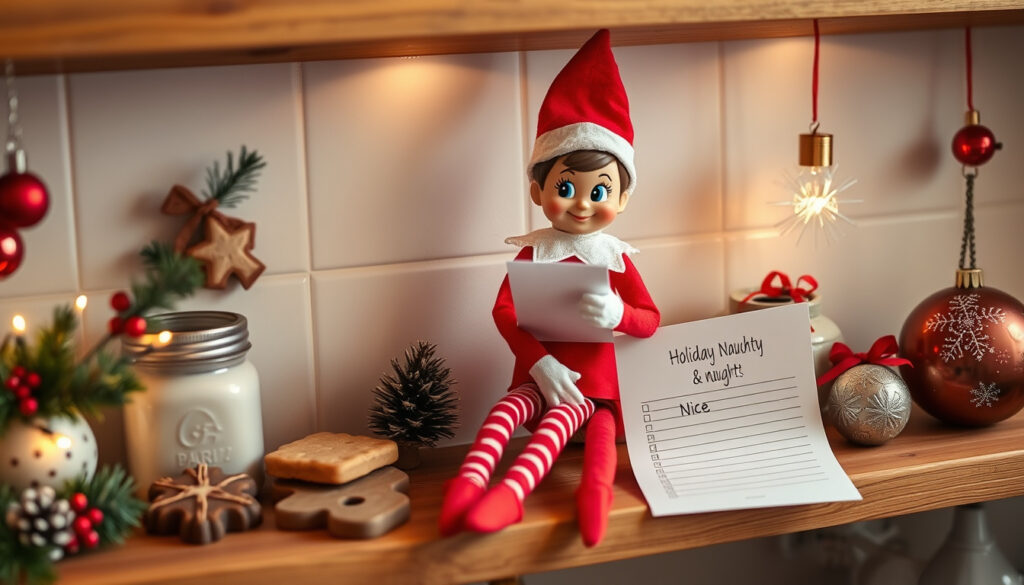
Elf on a Shelf Explained: Rules, Ideas & Tradition
If you’ve got kids in the house during December, you’ve probably heard the phrase shouted across the breakfast table more than once. The Elf on a Shelf tradition has become one of those festive rituals that divides households — parents either love the daily magic it creates or dread the pressure of coming up with a new elf pose every single night.
Year Introduced: 2005 ·
Authors: Carol Aebersold and Chanda Bell ·
Core Purpose: Scout Elf reports to Santa ·
Tradition Origin: Family Christmas book ·
Key Rule Count: Three main rules
Quick snapshot
- Three core rules govern the tradition (Twinkl education blog)
- The book hit No. 1 on USA Today bestsellers list in 2013 (Wikipedia)
- The tradition started as a family custom in Aebersold’s childhood before book publication (Wikipedia)
- Exact age to tell kids the elf isn’t real varies widely by family
- Specific adoption data for Irish households remains limited
- How strictly families follow all three rules in practice
- Written in 2004, published 2005 (Wikipedia)
- USA Today #1 bestseller in 2013 (Wikipedia)
- Birthday Tradition released October 2013 (Wikipedia)
- Elf arrives between Thanksgiving and Christmas Eve, departs Christmas Eve (RTE lifestyle guide)
- Alternatives like Gentle Elf gaining traction in Ireland (RTE lifestyle guide)
- Growing availability through Irish retailers like Smyths (RTE lifestyle guide)
The tradition rests on three pillars that have remained consistent since the book launched in 2005: monitoring, movement, and magic preservation.
The key facts table below consolidates the essential details families need to know before adopting the tradition.
| Detail | Information |
|---|---|
| Introduced | 2005 |
| Book Authors | Carol Aebersold, Chanda Bell |
| Elf Role | Santa’s scout |
| Duration | Early December to Christmas Eve |
| Irish Availability | Sold via local retailers like Smyths |
What is Elf on the Shelf for?
The Elf on the Shelf tradition originates from a 2005 children’s book by Carol Aebersold and Chanda Bell. The book describes Scout Elves assigned by Santa to monitor children’s behavior from Thanksgiving to Christmas Eve. Each family receives a scout elf that arrives in a keepsake box with a storybook explaining the tradition. Families must name their elf to endow it with Christmas magic, according to the Official Elf on the Shelf website (primary tradition authority).
Origin and purpose
The tradition started as a family custom in Aebersold’s childhood before book publication. What began as a personal ritual became a publishing phenomenon when the book hit No. 1 on the USA Today bestsellers list in 2013. In Ireland, the tradition has gained popularity despite originating in America, with Irish families embracing the scout elf as part of their Christmas countdown. The Irish Examiner (national newspaper) has documented how the tradition crossed the Atlantic, noting that parents in Ireland initially hoped it would stay American — but it spread anyway.
Critics in Ireland call it a “spurious and coercive tradition” involving surveillance, framing the scout elf as a “soft toy member of the Stasi” in a 2019 Irish Examiner column.
How the tradition works
The elf flies to the North Pole nightly to report to Santa on children’s behavior. Children can talk to the elf and share wishes, as it listens but doesn’t talk. On Christmas Eve, the elf returns to the North Pole permanently until next season. The elf can be placed anywhere in the house, not just shelves, giving families flexibility in positioning.
What are the rules of elf on the shelf?
The three main rules form the backbone of the tradition and are strictly enforced by the official guidance from Elf on the Shelf (the brand behind the tradition).
The three main elf rules
- No touching: Children cannot touch the elf, or it loses its magic. This is the cardinal rule, and the main rule to remember for Elf on the Shelf, as highlighted by RTE (national broadcaster).
- Nightly movement: The elf does not move when children are awake; it only moves at night when the household sleeps. Parents move the elf to new positions nightly, often using creative ideas from Pinterest or websites, according to everymum (Irish parenting platform).
- Silent observer: The tradition is for fun in the Christmas spirit — the elf watches but does not interact directly with children.
Additional parent guidelines
If a child touches the elf accidentally, they can write an apology to Santa, according to Easons (Irish bookseller with practical family guides). If the elf hasn’t been moved, excuses include the elf being sick, resting, or playing a trick on the kids. The creative positioning is expected — not just simple shelf placement — which drives the elaborate scenes parents post on social media.
The no-touching rule creates a paradox: parents must handle the elf nightly while telling children absolutely not to touch it. This is the central tension that trips up many families.
The trade-off: elaborate elf scenes generate Instagram content but add stress for parents already stretched thin during December. Some families find the pressure counterproductive to the festive spirit the tradition is meant to create.
Do parents touch Elf on the Shelf?
Parents must move the elf nightly — this is an unavoidable part of the tradition. The rule specifically targets children: the elf cannot be touched by kids, or it loses its magic. Parents, however, are the designated handlers who reposition the elf after children go to bed.
Why touching matters
The rule exists to preserve the illusion. If children touched the elf and it didn’t move the next morning, the magic would be broken. The Twinkl education blog (teacher resource platform) emphasizes that children can’t touch the elf, or he will lose his magic — this is presented as the first rule families must remember.
Parent handling tips
The everymum guide recommends having a consistent routine: move the elf only after children are asleep, and establish a location for safe storage during the day. Some parents keep the elf in a high cabinet or locked room to prevent accidental discovery.
Why don’t Christians do Elf on the Shelf?
Some Christian families opt out of the Elf on the Shelf tradition due to concerns about its focus on surveillance and gift-lists over the religious meaning of Christmas. The tradition centers on a scout elf reporting to Santa — a figure associated with gift-giving rather than the nativity story.
Common objections
Critics call it a “spurious and coercive tradition” involving surveillance, as documented by the Irish Examiner. For families prioritizing a biblically-focused Christmas, the elf’s role as a behavior-monitor before Santa feels misaligned with values that emphasize grace over reward-punishment systems.
Family alternatives
In Ireland, some families prefer “Gentle Elf” alternatives to avoid the pressure of elaborate scenes and surveillance themes, according to Rinka Ireland (Irish parenting blog). These alternatives maintain the festive fun without the behavior-monitoring aspect that some find uncomfortable.
Upsides
- Creates daily Christmas anticipation for children
- Encourages family engagement during Advent
- Official guidelines prevent household chaos from improper elf handling
- Widely available in Irish shops from November onward
Downsides
- Surveillance theme sits uncomfortably with some families
- Daily repositioning adds to December parental workload
- Strict rules can feel coercive to children
- American import that some Irish families feel pressure to adopt
What this means: families must weigh the entertainment value against the surveillance framing and workload. For some, the trade-off is worth it; for others, alternatives like the Gentle Elf offer a lighter touch.
Elf on a shelf ideas
Popular ideas include hiding elf in sneaky spots or creating mischievous scenes. The Official Elf on the Shelf blog (the tradition’s authority) emphasizes that elf ideas inspire new landing spots or gimmicks for parents — the creativity is part of the fun.
Creative daily poses
- Elf making popcorn on the couch
- Elf at a mini campfire setup
- Elf reading a book with a flashlight
- Elf in the fridge surrounded by snacks
- Elf on a toy car or train
- Elf hanging from the Christmas tree
Printable resources and games
The Twinkl blog offers extensive printable resources and game ideas specifically tailored for Irish families. Creative positioning is expected — not just simple shelf placement — which means parents often spend time researching ideas on Pinterest or dedicated elf websites.
The most successful elf setups keep it simple: a new location each day beats elaborate scenes that exhaust parents by week two. Consistency matters more than creativity.
How to do Elf on the Shelf
Here’s the practical sequence for families starting the tradition, drawn from official guidance and Irish family experience.
Step 1: Get your elf
Purchase an official Elf on the Shelf set or similar scout elf from retailers like Smyths in Ireland or online. The set includes the elf figurine and the storybook that explains the tradition.
Step 2: Name the elf
Families must name their elf to endow it with Christmas magic. This naming ceremony is part of the tradition’s ritual and helps children bond with their scout.
Step 3: Choose a daily position
Select a new hiding spot each night. The elf can be placed anywhere in the house — not just shelves. Popular spots include mantles, windowsills, bathroom fixtures, and kid-level locations where children can discover it.
Step 4: Move after bedtime
After children are asleep, reposition the elf to a new location. Keep movement subtle — the elf should appear to have arrived magically overnight.
Step 5: Prepare excuses if needed
If you forget to move the elf, excuses include the elf being sick, resting from its North Pole travels, or playing a trick on the family. The everymum guide offers these fallback explanations.
Step 6: Handle accidental touching
If a child touches the elf, have them write an apology letter to Santa. According to Easons, this ritual restores the elf’s magic in the story.
What we know vs. what we don’t
Research confidence is high on core facts but limited on adoption data and age-specific guidance.
Confirmed facts
- Three core rules: no touch, nightly return, no talking
- Book published 2005 by Carol Aebersold and Chanda Bell
- Elf reports to Santa and returns to North Pole Christmas Eve
- USA Today #1 bestseller in 2013
- Tradition originated as family custom in Aebersold’s childhood
What’s unclear
- Exact age to reveal the tradition isn’t real varies by family
- Specific Irish household adoption statistics unavailable
- How many families abandon the tradition after year one
The pattern: most uncertainty surrounds the human elements — when families choose to stop, how strictly they follow rules, and regional adoption rates — rather than the tradition’s core mechanics.
What people say
“This elfish Special Branch officer, this soft toy member of the Stasi, would sit on a shelf in a child’s home during Advent.”
— Columnist, Irish Examiner (national newspaper)
“The main rule to remember for Elf on the Shelf is children aren’t allowed to touch the toy.”
— RTE (national broadcaster)
“Firstly, they can’t touch the elf, or he will lose his magic!”
— Twinkl (education resource platform)
The bottom line
The Elf on the Shelf tradition fills a specific niche: it gives children a daily Christmas countdown ritual while giving Santa a behavior monitor in the home. The three rules — no touching, nightly movement, and silent observation — are straightforward, but the daily execution falls entirely on parents. Irish families have largely embraced the tradition despite initial resistance, though alternatives like the Gentle Elf address concerns about surveillance themes and parental workload.
For Irish parents deciding whether to adopt the tradition, the choice comes down to this: if your household thrives on daily Advent rituals and you don’t mind the nightly repositioning, the scout elf delivers predictable magic. If the surveillance framing or workload feels misaligned with your family’s Christmas values, the Gentle Elf offers a lighter alternative that captures the festive spirit without the pressure.
Related reading: family dinner ideas
Families embracing this tradition often reference the complete rules and ideas guide for nuanced rules and inventive setups that enhance the holiday magic.
Frequently asked questions
Is Elf on the Shelf Irish?
The tradition originated in America with a 2005 book by Carol Aebersold and Chanda Bell. It has since spread internationally, including to Ireland where it’s sold through retailers like Smyths and has gained popularity among Irish families despite its American roots.
How old should I tell my kids the Elf on the Shelf is?
There’s no official guidance on when to stop the tradition. Most families continue until children figure it out on their own or express disinterest, typically between ages 7-10. The decision varies by family maturity and dynamics.
What are the three elf rules?
The three main rules are: children cannot touch the elf or it loses its magic, the elf only moves at night when children are asleep, and the elf is a silent observer who reports to Santa but does not interact directly with children.
When did Elf on the Shelf become popular?
The book was published in 2005 and remained relatively niche until gaining mainstream traction, hitting No. 1 on the USA Today bestsellers list in 2013. It has since become a global Christmas staple with widespread availability in retailers and heavy social media presence.
Can adults touch the Elf on the Shelf?
Yes — parents are specifically tasked with moving the elf nightly. The no-touching rule applies only to children. If a child accidentally touches the elf, the traditional fix is to have them write an apology letter to Santa.
Where to buy Elf on the Shelf in Ireland?
The tradition is available through Irish retailers including Smyths, Easons, and online sellers. Official sets include the elf figurine and the storybook that explains the tradition’s rules and backstory.
What is the Elf on a Shelf tradition?
It’s a Christmas tradition where families adopt a scout elf that reports to Santa on children’s behavior. The elf arrives early December, moves to a new spot each night, and departs on Christmas Eve. It was created by Carol Aebersold and Chanda Bell based on their family tradition.
More related posts
 Rockstar Games GTA 6: Release, Price, Trailer & News
 Mid Century Modern Furniture: 2026 Guide for Irish Buyers
 Ford Engine Block Heater Recall Canada – Affected Models, Risks & Free Fixes
 Real Madrid – Arsenal FC Composition – Predicted Lineups and Team News
 Canada Tourism Freeze Hits US Destinations: Down 35%
 Best Wireless Presentation Clickers: Top Models Compared
 Recipes with Ground Beef for Easy Weeknight Dinners
 Murder She Wrote 2025: Confirmed Facts and Where to Watch